Seller Prep
How is the right list price set for a home in Rhode Island?
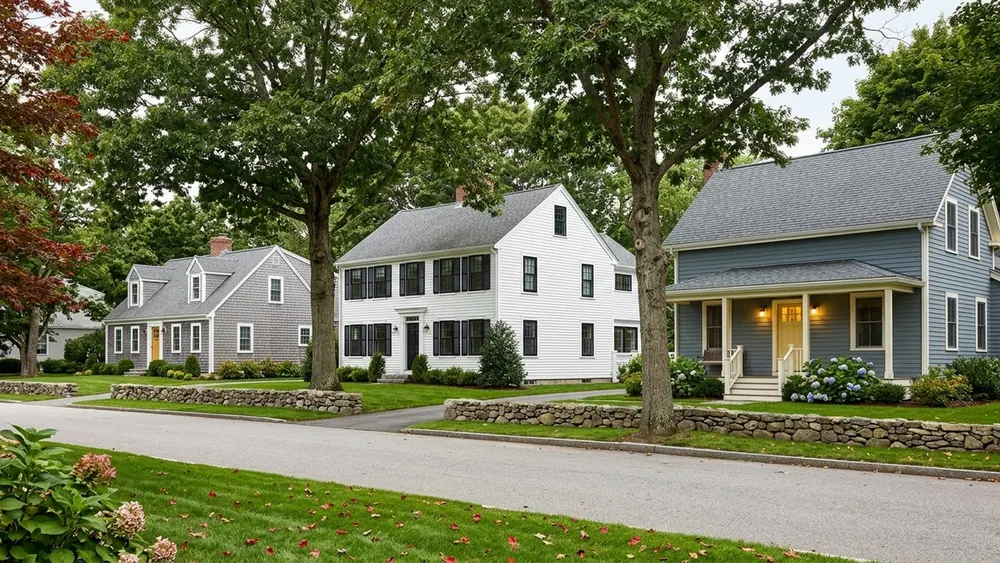
A list price comes from careful comparison: recent sales and current listings similar to your home, adjusted for condition, features and location, then talked through openly. It is a strategy and a starting point, not a promise of a final sale price.
On this page
What sets a list price in plain terms
A list price for a home in Rhode Island is set by comparing it with similar homes that have recently sold and similar homes currently for sale, then adjusting for the real differences between them. Condition, size, layout, features and the specific location all matter. The result is a range, and the list price is chosen within it as a strategy. It is a starting point for buyers, not a promise of what the home will sell for.
Why does this matter so much? The list price is the first thing most buyers see, and it shapes who decides to visit. Buyers compare your home with every other option they are considering at the same moment. A price that matches what buyers see in the comparison invites them in. A price that ignores those comparisons can make a well-prepared home easy to scroll past.
Lisa D. Helfrich is a PSA, Pricing Strategy Advisor, and that training shapes how Lisa approaches the pricing conversation with sellers. The aim is a price you understand and agree with, built from evidence rather than hope or a single number from a website. You stay in charge of the final decision. Before that conversation, jot down what you believe makes your home different, good and less good.
How buyers compare homes like yours
Buyers rarely look at one home in isolation. They browse a set of homes in their price range and nearby areas, and they compare photos, layouts, condition and features side by side. A buyer looking in Cranston may also be watching listings in Warwick and Providence. The list price places your home within that set, so it helps to know which homes your buyers are most likely to compare it with.
That comparison works for a condo and a single family home alike, though the details differ. For a single family home, buyers notice lot, parking, the age of major systems and overall condition. For a condo, buyers may also look at association fees, rules and the condition of shared areas. Neither is easier to price. Each simply has its own set of comparisons, and the right comparisons are the ones buyers will actually make.
Thinking like a buyer is a useful exercise before any pricing meeting. Look at current listings that seem similar to yours, and notice what each one offers and how it is presented. Write down which ones you would visit first if you were buying, and why. That list tells you a lot about how your home will be seen, and it gives your pricing conversation a practical starting point.
Why a current review beats one past sale
Many sellers anchor on one number: what a neighbor’s house sold for, what they paid, or what an online estimate says. Each can be useful background, but none is a price. A single past sale may have had a different condition, a different layout or different timing. An online estimate cannot see inside your home. A current review looks at several recent comparisons together and weighs what actually matches.
Conditions also change. What buyers were comparing a while ago may not be what they are comparing now, because the set of available homes is always moving. That is why a pricing review uses the most recent information available when you are ready to list, rather than a figure remembered from a past season. If your timing shifts, it is reasonable to look at the comparisons again before you list.
This is also where adjustments come in. If your home has a renovated kitchen and the comparison does not, or the comparison has a larger yard, those differences are weighed openly. Some adjustments are clear and some involve judgment, which is why talking them through matters. Ask to see the comparisons used, and ask why each one was chosen. Understanding the reasoning makes the final number feel far less mysterious.
What goes into the pricing conversation
A good pricing conversation is organized, not rushed, and you should never feel hurried through it. It starts with your home, moves to the comparisons and ends with a strategy you understand. Here are the main pieces Lisa D. Helfrich typically walks through with a seller, in roughly this order, so the reasoning behind the number is visible from start to finish:
- A walk-through of your home, including condition, updates and anything a buyer will question
- Recent sales of similar homes, chosen for how closely they actually match yours
- Current listings that buyers are likely to compare with your home right now
- Adjustments for real differences, explained plainly so you can follow each one
After those pieces, you talk through a range and a strategy within it. You might ask what would change the picture, such as finishing a repair first or changing a timeline. Bring your own questions to the table. A pricing conversation goes more smoothly when you feel free to push back, ask why, and understand the tradeoffs before you sign anything.
Questions to ask and who answers them
Pricing questions often blend into legal, tax and financial ones. It helps to know who answers what before you start, so you can bring each question to the right person. Here is a simple guide to the questions sellers commonly ask and where each answer comes from: Keep it nearby as you plan, and add your own questions as they come up.
| Question | Why it matters | Who to ask |
|---|---|---|
| Which homes are the closest comparisons? | They anchor the range buyers expect to see | Lisa, as your REALTOR® |
| Should I fix this before I list? | Condition affects how buyers compare homes | Your agent, plus a contractor for estimates |
| What will I owe in taxes on the sale? | It shapes what you actually keep | A tax professional |
| What must I disclose to buyers? | Disclosure has legal requirements and consequences | A real estate attorney |
| How do association fees affect my condo? | Buyers weigh fees alongside the price | The association documents and its manager |
Keeping each question with its source keeps the pricing conversation focused on what it can actually answer: how your home compares and how to present it. Write your questions in three columns like the table above before your first meeting. You will walk in organized, and you will know which answers to collect elsewhere afterward.
How preparation and pricing work together
Price and preparation are two halves of one plan. The comparisons tell you where your home sits today, and the condition of your home is part of that comparison. A home that is clean, repaired and clearly staged is easier for buyers to compare fairly. Lisa also holds the ASP, Accredited Staging Professional, designation, so preparation and pricing are talked through together rather than as separate steps.
None of that is a promise of a particular price or timeline, and you should be wary of anyone who makes one. What preparation and careful pricing can do is help buyers see your home clearly and compare it on honest terms. Whether you are selling in Lincoln, East Greenwich or Middletown, that approach is the same: prepare well, compare carefully, price with a reason you can explain.
What to gather before your first pricing talk
You do not need to arrive with a number. You only need to arrive with the facts about your home. Gathering a few things ahead of time makes the first conversation faster and far more useful. Here is a short list worth pulling together before you sit down to talk about price: Rough notes are fine; nothing needs to be polished.
- A list of updates and repairs you have made, with approximate dates if you have them
- Any recent inspection reports, warranties or service records for major systems
- Association documents, rules and fee details if you are selling a condo
- Your own list of what makes the home stand out and what may concern a buyer
Rhode Island is about an hour from one end to the other, and Lisa D. Helfrich works in about 15 cities and towns, from Cumberland to North Kingstown. Wherever your home is, bring your list and your questions. Together you can look at the comparisons, talk through a range and choose a list price strategy you understand, one step at a time and without any pressure.
This article is general information about buying and selling condos and single family homes in Rhode Island. It is not legal, tax, lending, insurance, rental or inspection advice and does not predict prices, rents or returns or promise results. Confirm association fees and rules in the association’s documents, rental rules with the city or town, contracts, title and probate with an attorney, taxes with the town or a tax professional, financing with a lender, and flood and coverage questions with official flood maps and an insurer. Lisa D. Helfrich, RI Real Estate Services. Equal Housing Opportunity.

Written by