Investing or Second Home
What should I think through before buying a second home in Rhode Island?
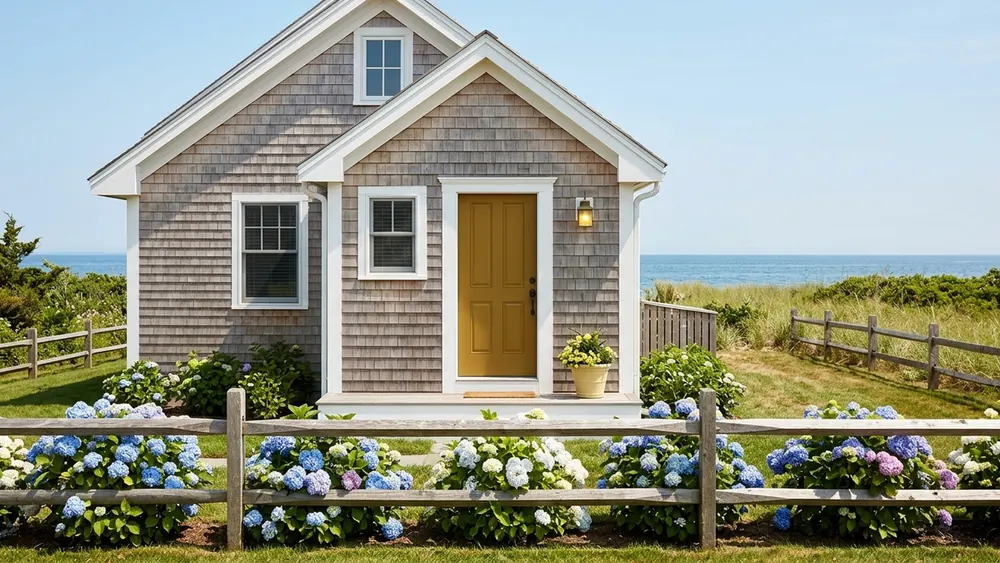
Before buying a second home in Rhode Island, think through how you will use it, how often you will visit, condo versus single family home, the full cost of owning it all year, flood and insurance questions, and whether renting is part of the plan.
On this page
Start with how you will actually use it
Before you buy a second home in Rhode Island, think through how you will use it, how often you will be there, who looks after it while you are away, what it costs to carry all year, and whether you might rent it out at some point. Those answers shape which properties fit, which questions matter most, and who you need to ask. Settle them first and the search gets much simpler.
It is easy to start with the view or the floor plan and work backward. A plan works better the other way round: decide what the place is for, then look for properties that fit that purpose. A weekend place you visit often asks different questions than a property you use for a stretch in summer and leave empty the rest of the year, and both differ from one you hope to rent out part of the time.
Lisa D. Helfrich, a REALTOR® with RI Real Estate Services, works with buyers across all of Rhode Island, a state small enough to drive from one end to the other in about an hour. That puts the whole state on the table, from Coventry and Cumberland to Warwick and North Kingstown, as long as your plan comes first. This article walks through the questions to settle, in order, before you start touring.
How often you visit shapes the property
Picture a normal month. If you expect to visit most weekends, the trip there and a property you can open and close quickly may matter most to you. If visits are occasional, think about what happens while the place sits empty: heat, plumbing, mail, snow and storm checks. A property that suits one pattern can feel like a chore under the other, so be honest about which pattern is yours.
Then ask who looks after it. Some owners rely on a neighbor, some hire help for regular checks and upkeep, and some choose a property where much of the outside work is handled through an association. There is no right answer, only the one that matches how much of your time you want to spend on maintenance rather than enjoying the place. Put that answer in writing before you look at listings.
Write down a realistic picture, not the ideal one. Most second-home plans change over time as work, family and travel shift, so leave room in your budget and your schedule for a version of the plan that is a little less tidy than you hoped. A property that still works when the plan changes is usually a more comfortable one to own.
Condo or single family home for a second home
A condo and a single family home answer the upkeep question differently. With a condo, the association typically handles shared exterior items and grounds, paid for through regular fees, and its documents set rules every owner lives by, including any limits on renting. With a single family home, the outside work and the decisions are yours, and so is the flexibility to set your own schedule for both.
Neither is better. The right fit depends on how hands-on you want to be, how often you will be there, and how you feel about shared rules. Some buyers like the predictability of an association, while others want a yard and a garage and do not mind the work that comes with them. Your answers to the questions above usually point clearly toward one or the other.
If a condo appeals to you, read the association’s documents early: the rules, the budget, the reserve fund information and recent meeting minutes. If a single family home appeals to you, plan for a licensed home inspector to look closely at the systems that keep a house sound while it sits empty, such as heating, plumbing and the roof. Either way, the details belong in your notes before you make an offer.
Count the cost of owning it all year
A second home costs money every month, whether you are there or not. Those costs keep arriving in the off season, while the place sits empty and you are busy with the rest of your life. Before you choose a price range, list the carrying costs one line at a time and take each line to the right source, so your budget rests on answers rather than assumptions:
- Financing on a second home, which a lender can explain for your situation
- Property taxes for that exact address, confirmed with the city or town
- Insurance for a property that often sits empty, from an insurance agent
- Condo fees and reserve fund information, if there is an association
Add utilities, routine upkeep, and someone to check on the place while you are away. A tax professional can explain how a second home is treated for your situation, and a lender can explain how a second-home loan compares with one on the home you live in. Keep every figure as your own estimate until the right source confirms it, and leave room for the repair nobody planned.
Questions to ask, and who answers them
The questions below come up on almost every second-home purchase. None of them has a single answer for all of Rhode Island, so each one goes to the source that knows that exact address or your exact situation. Keep this table with your notes and fill in each answer as it arrives, along with who gave it and when.
| Question | Why it matters | Who to ask |
|---|---|---|
| How will I finance it? | Second-home loans can come with their own requirements | A lender |
| Is the address in a flood zone? | It shapes coverage, cost and lender requirements | FEMA flood maps and an insurance agent |
| Can I rent it out sometimes? | Rules depend on the address and any association | The city or town and condo documents |
| How is a second home taxed? | Your own situation decides how it is treated | A tax professional |
| What shape are the systems in? | Problems can go unnoticed while a house sits empty | A licensed home inspector |
Bring this table to every showing. When a property catches your eye, you will know which questions to ask next, and you will not mistake an assumption for an answer. It also keeps the conversation calm, because each question already has a place to go. If an answer changes your plan, that is the table doing its job: you found out before an offer, while changing course still costs you nothing but a little time.
Coastal towns and the flood map question
Many Rhode Island cities and towns are on the coast, including Narragansett, Bristol, Barrington and North Kingstown. If a second home you are considering is in a coastal town, look up that exact address on the official FEMA flood maps, and talk with an insurance agent about coverage and its cost before you make an offer, not after. Ask your lender whether the answer changes anything about your loan.
Do the same check for an address away from the water. The answer always comes from the official map, the insurer and your lender for that specific property, never from a general idea about a town or a street. Lisa D. Helfrich will help you build these checks into your timeline so they happen early, while you still have room to decide.
What to gather before a first conversation
Before you start touring, write down a short plan you can share. It does not need to be polished, only honest, and it gives every conversation that follows a clear starting point. A lender, an insurance agent and Lisa will all ask some version of the same questions, so answering them once, on paper, saves time later. Cover these four things:
- How you expect to use the place and how often you plan to visit
- Whether a condo or a single family home suits the upkeep you want
- The parts of Rhode Island you are open to, from north to south
- Whether renting it out part of the year belongs in the plan
Bring that plan to Lisa D. Helfrich. Lisa frequently works in about 15 cities and towns across Rhode Island, from Lincoln and Smithfield to South Kingstown, and will help you turn your notes into a step-by-step search, with each open question sent to the right source. No pressure and no rush, just a clear plan and a next step you can act on.
This article is general information about buying and selling condos and single family homes in Rhode Island. It is not legal, tax, lending, insurance, rental or inspection advice and does not predict prices, rents or returns or promise results. Confirm association fees and rules in the association’s documents, rental rules with the city or town, contracts, title and probate with an attorney, taxes with the town or a tax professional, financing with a lender, and flood and coverage questions with official flood maps and an insurer. Lisa D. Helfrich, RI Real Estate Services. Equal Housing Opportunity.

Written by