First-Time Home Buyers
What happens between an accepted offer and closing day on a first Rhode Island home?
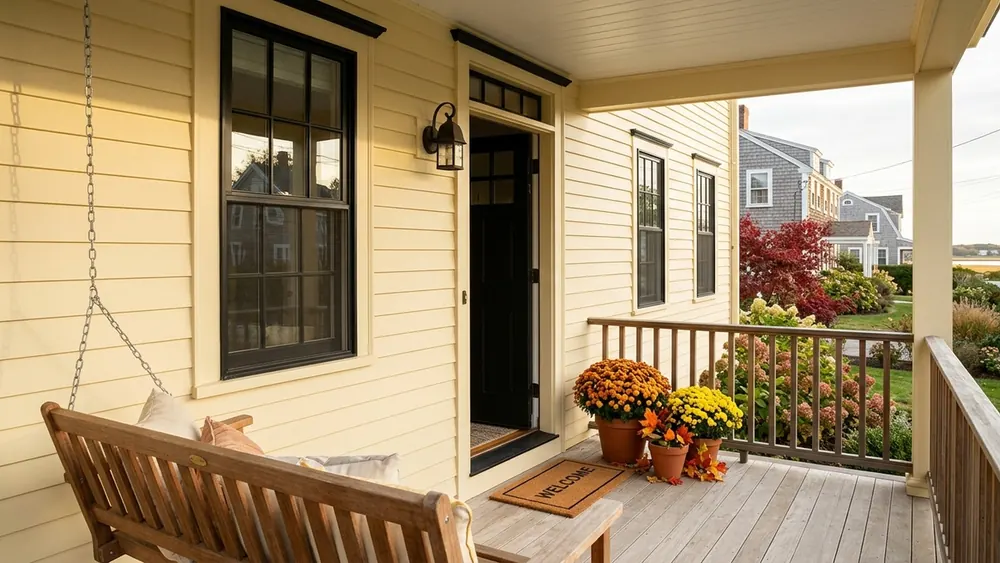
After your offer is accepted, the work shifts to checking the property and finishing the loan: inspection, appraisal, insurance, title and document review, then a final walkthrough. Knowing the order helps you stay on track and ask the right person each question.
On this page
The short answer, step by step
Between an accepted offer and closing day on a first Rhode Island home, you confirm the property and finish the financing. That usually means a home inspection, the lender’s appraisal and loan approval, arranging insurance, a review of title and closing documents, and a final walkthrough before you sign. Many of these steps usually have their own deadlines in your contract, so the order and timing matter as much as the steps themselves.
This stretch often takes several weeks, and it can feel calmer than the search, even though a lot is happening. Your lender, a licensed home inspector, an insurance agent and, often, a real estate attorney are each working on their piece. Your job is to respond quickly, keep track of dates, and ask questions whenever something is unclear rather than waiting.
It matters because most surprises in a first purchase show up here, not during showings. An inspection finding, a question about the appraisal or a missing document can all be handled calmly when you expect them. When you do not, they can feel like emergencies. A simple plan for this phase turns a stressful wait into a series of manageable next steps.
Read your contract dates first
The first thing to do after acceptance is to understand the dates in your purchase and sale agreement. It usually sets deadlines for the inspection, for your financing, and for closing. Missing one can affect your options, so write each date down and share the list with everyone working on the purchase. If you are unsure what a term or deadline means, a real estate attorney is the right person to explain it.
Your lender will also want to hear from you right away. Send any updated documents they ask for, avoid opening new credit or making large purchases without checking with them first, and keep your income and savings steady. These are habits to ask your lender about directly, since every loan file is different. Staying in touch with them is one of the simplest ways to keep closing on track.
The day your offer is accepted, I like to write out every date and every task with you, so you always know what comes next and who is handling it.
The home inspection and what follows
Most buyers schedule a home inspection soon after acceptance. A licensed home inspector looks at the structure, roof, major systems and visible condition, then gives you a written report. It is worth attending if you can, because the inspector can show you what they found and explain which items are routine upkeep and which may need attention sooner.
After the report, you decide what to do with it. Some findings are simply good to know. Others may lead you to ask the seller for a repair or another adjustment, or to look more closely with a specialist. What you can ask for, and by when, depends on your contract, so check the terms with a real estate attorney if anything is unclear.
If you are buying a condo, the inspection usually focuses on your unit, while the shared parts of the property fall to the association. That makes the association’s documents just as important as the report. Read the budget, rules, recent meeting minutes and reserve fund information, and ask the board or manager about anything that raises a question.
The appraisal and final loan approval
If you are using a loan, your lender will usually order an appraisal. An appraiser gives an independent opinion of the property’s value, which the lender uses as part of its decision. Meanwhile, the lender’s underwriting review checks your income, assets and the property details. You may be asked for a few more documents along the way, which is normal and nothing to worry about. Answer those requests promptly, and ask your lender if you are unsure what is needed.
If the appraisal raises a question, or underwriting needs something unexpected, talk with your lender first. They can explain what it means for your loan and what your choices are. Your contract terms also matter here, so a real estate attorney can help you understand where you stand. The aim is to keep everyone informed early, so no one is surprised close to closing day.
Insurance, title and the paperwork in between
While the property and loan are being reviewed, a few other pieces move in the background. You will need homeowners insurance in place for closing, and for a condo, you will want to understand how your policy fits with the association’s coverage. Title work confirms who owns the property and whether anything needs to be cleared before it transfers. These are the items to keep moving.
- Request insurance quotes early and ask an insurance agent what the lender requires
- Check official FEMA flood maps for the exact address if it is near the coast
- Ask a real estate attorney how title is reviewed and any issue cleared
- Review your closing figures with your lender as soon as they arrive
If the property is in a coastal town such as Barrington, South Kingstown or East Greenwich, that flood map check matters for every address on its own. An insurance agent can tell you what coverage would look like for that specific property. Asking early gives you time to understand the cost and avoid a late scramble before closing.
Who handles each step before closing
It is easier to stay calm when you know who answers each question. Lisa D. Helfrich handles the real estate side: scheduling access, coordinating with the other agent and keeping dates in view. Other professionals handle their own pieces, and their answers are the ones that count. This table is a quick map of who to ask.
| Step | What you are checking | Who to ask |
|---|---|---|
| Contract dates and terms | Deadlines for inspection, financing and closing | A real estate attorney |
| Home inspection | Condition of structure, roof and major systems | A licensed home inspector |
| Appraisal and loan approval | Value opinion and final financing decision | Your lender |
| Insurance and flood questions | Coverage needed for closing and for that address | An insurance agent and FEMA flood maps |
| Condo association documents | Budget, rules, minutes and reserve fund | The association board or manager |
Keep a single list of these steps, with dates and contacts beside each one. Check items off as they are done, and note anything still waiting on someone else. That one page becomes your plan for this phase, and it makes conversations with your lender, attorney and agent faster, because everyone can see where things stand.
The final walkthrough and closing day
Shortly before closing, you usually do a final walkthrough of the property. It is a chance to confirm the property is in the condition you expect, that any agreed repairs were made, and that nothing new has come up. Bring your contract notes and the inspection report, test the basics, and raise any question before you sign, not after.
On closing day, you review and sign the final documents, the funds are transferred, and the property becomes yours. Ask your lender and real estate attorney ahead of time what to bring and how funds should be sent, and confirm those instructions directly with them by phone using a number you already know. Then it is time for the keys.
How to prepare for this stretch now
If you are getting close to an offer, a little preparation now makes this phase smoother. Choose a lender and stay in touch. Line up a licensed home inspector and an insurance agent you can call quickly. Ask whether you want a real estate attorney to review your contract. Whether you are buying in Cumberland, Providence or anywhere else in Rhode Island, the steps follow the same basic shape.
When you are ready, Lisa D. Helfrich can walk you through each step from accepted offer to closing day, help you keep every date in view, and point you to the right person for each question. There is no pressure in that first conversation. It is simply a way to make a plan, get the details right and take the next step together.
This article is general information about buying and selling condos and single family homes in Rhode Island. It is not legal, tax, lending, insurance, rental or inspection advice and does not predict prices, rents or returns or promise results. Confirm association fees and rules in the association’s documents, rental rules with the city or town, contracts, title and probate with an attorney, taxes with the town or a tax professional, financing with a lender, and flood and coverage questions with official flood maps and an insurer. Lisa D. Helfrich, RI Real Estate Services. Equal Housing Opportunity.

Written by