Investing or Second Home
What should I check before buying a Rhode Island property to rent out?
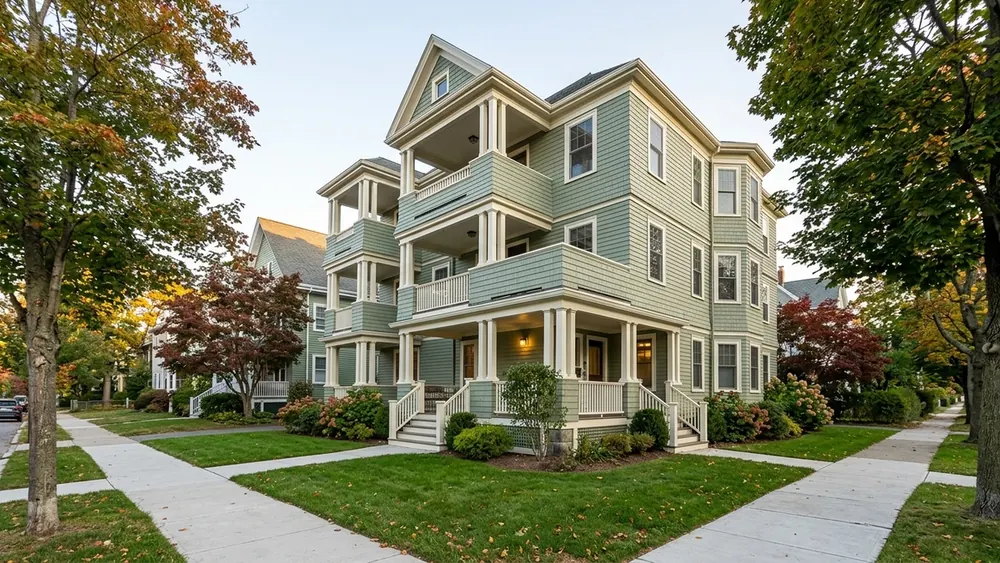
Before buying a Rhode Island property to rent out, check the town’s rental requirements for that exact address, any condo association limits, the full carrying cost, the property’s condition, and flood and insurance questions, each with the right source.
On this page
- The short answer before you buy to rent
- Start with the town for that exact address
- Condo or single family home changes the questions
- Count the full cost of carrying the property
- Look closely at condition before you commit
- Coastal addresses add flood and coverage questions
- Your next step before a first conversation
The short answer before you buy to rent
Before you buy a Rhode Island property to rent out, check five things for that exact address: what the city or town requires of a rental, what any condo association allows, what the property will really cost you to carry and maintain, what condition it is in, and what the flood and insurance questions look like. Each one has a right source, and none of them should rest on a guess, a listing description or what a previous owner did.
Why does this matter so much? A rental purchase is still a purchase, with every usual step from first search to closing day, plus a second layer of questions that a home you live in never asks. The answers can change what a property is worth to you, or whether it fits your plan at all. It pays to have them in hand before you write an offer, while you still have room to walk away or adjust.
Lisa D. Helfrich, a REALTOR® with RI Real Estate Services, helps buyers across Rhode Island sort those questions into an order and take each one to the right place. This article walks through that order, from the first look at a listing to the questions you bring to the town, a lender, an insurance agent, a tax professional and a real estate attorney. Think of it as a checklist you can work through one step at a time.
Start with the town for that exact address
Rental requirements in Rhode Island are set and applied locally, and they can differ from one city or town to the next, and sometimes by property type within the same town. A property you like in Cranston and a similar one in Bristol may come with different questions, so never carry an answer from one address to another. The first call is to the city or town for that exact address, before you fall for the floor plan. Ask these questions, write down who answered and when, and ask where each rule is written so you can read it yourself.
- Ask whether a rental registration, license or permit is required for this address
- Ask whether any inspection is required before a tenant moves in
- Ask how the zoning for this parcel treats the use you have in mind
- Ask whether short stays and longer leases are treated differently at this address
Condo or single family home changes the questions
If the property is a condo, the association adds its own layer on top of the town. Its documents can limit whether units may be rented, for how long and how often, and owners can vote to change those limits over time. A single family home usually has no association, but the town’s questions still apply in full, and the upkeep is all yours. Neither is the better choice for a rental. For a condo, ask the manager or board for these before you make an offer:
- The governing documents, for any limit on renting units or on lease length
- The current rules, including any tenant registration the association requires
- The budget and the most recent reserve fund information
- Recent meeting minutes, for planned projects or rule changes under discussion
- Any pending vote that could change how owners may rent their units
Count the full cost of carrying the property
The purchase price is only the start. A rental carries property taxes, insurance, any condo fees, utilities you may cover, routine upkeep, repairs between tenants, and the stretches when the unit sits empty. Write each one down as its own line, even where you only have a rough idea yet, so nothing hides inside a single hopeful number. A budget built line by line is easier to check, and easier to adjust when a real figure comes back from the right source.
Each line has a source. A lender can explain financing on a property you will not live in, and how it compares with financing on a home you occupy. A tax professional can explain how a rental property is treated for your situation. An insurance agent can explain the coverage a landlord property needs and how it compares with a homeowner policy. The city or town can confirm the property tax picture for that address. Collect those answers before you settle on a price range.
Notice what is not on that list: a promise about rent. Nobody can tell you what a property will rent for, how often it will be occupied, or what it will be worth later, and Lisa D. Helfrich will not offer a number on any of those. What Lisa can do is help you build a plan that holds up on its own costs, read listings with that plan in mind, and point you to the people who answer the rest.
Look closely at condition before you commit
A property you plan to rent out deserves the same careful inspection as one you plan to live in, and arguably a closer one. A licensed home inspector can walk you through the systems, the roof, the windows and anything a future tenant will rely on every day. Ask what is near the end of its life and what would need attention first, because a repair between tenants is harder to schedule than one in your own home.
Then think about what the town may expect of a rental’s condition. If the city or town for that address requires an inspection or a certificate before a tenant moves in, ask what it covers, so your own inspection can flag the same items early. Bring both lists together and you will know, before closing, which repairs come first, which can wait, and which belong in your budget conversation with the lender.
I like to list every question before we look at a rental property, so each answer comes from the right source and you are deciding on facts, not hopes.
Coastal addresses add flood and coverage questions
Many Rhode Island cities and towns are on the coast, including Westerly, Narragansett, Warwick and Middletown. If the property you are considering is in a coastal town, look up that exact address on the official FEMA flood maps, and ask an insurance agent what coverage a rental there would need and what it may cost, before you write an offer. Your lender may have requirements of its own, so add that question to the same list.
Addresses away from the coast deserve the same check. In every case, the answer comes from the official map, the insurer and the lender for that specific property, never from a general idea about a town or a street. Build the flood and insurance questions into your timeline early, so the answers arrive while you can still change course, rather than in the last days before closing.
Your next step before a first conversation
Before you start touring, write down your plan in a few lines: long-term or short-term rental, condo or single family home, the parts of Rhode Island you are open to, and how hands-on you want to be as a landlord. Rhode Island takes about an hour to drive from one end to the other, and Lisa frequently works in about 15 cities and towns, from Cumberland and Lincoln to South Kingstown and Westerly, so a wide search is simple to organize.
Then gather what you already have: notes from a conversation with a lender, a sense of your total budget including room for repairs, and any questions for a tax professional or a real estate attorney about owning a rental and acting as a landlord. Questions about leases and tenant rights belong with an attorney, not with a guess or an online forum. Write the open questions down so none of them gets lost along the way.
When your list is ready, bring it to Lisa D. Helfrich. Lisa will help you put the questions in order, read listings with your plan in mind, and keep each answer tied to its source, one step at a time. There is no pressure and no rush, just a clear plan for the property you are considering and the next step to take.
This article is general information about buying and selling condos and single family homes in Rhode Island. It is not legal, tax, lending, insurance, rental or inspection advice and does not predict prices, rents or returns or promise results. Confirm association fees and rules in the association’s documents, rental rules with the city or town, contracts, title and probate with an attorney, taxes with the town or a tax professional, financing with a lender, and flood and coverage questions with official flood maps and an insurer. Lisa D. Helfrich, RI Real Estate Services. Equal Housing Opportunity.

Written by